
Key takeaways
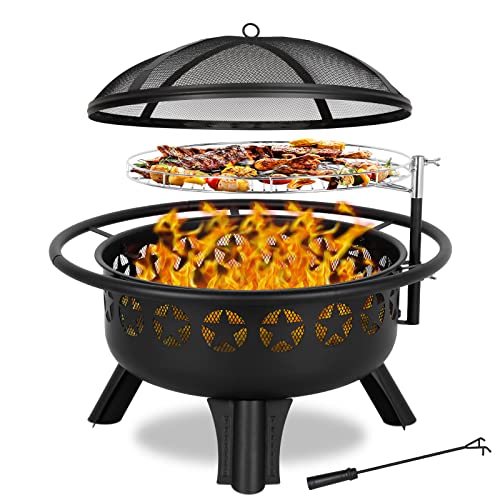
- Within the $150 cap, the realistic outdoor fire pit is a basic steel bowl, ring or compact tabletop model rather than a premium smokeless brand: the…
Within the $150 cap, the realistic outdoor fire pit is a basic steel bowl, ring or compact tabletop model rather than a premium smokeless brand: the well-known smokeless pits from Solo Stove, Breeo and Cuisinart’s larger Cleanburn sizes are generally listed above that cap, so buyers who want low smoke and a stainless body usually need to step up a tier, while buyers who only want a safe, simple backyard fire can stay under it.
Fire pits are one of the few product categories where the cheap end and the expensive end differ a lot in materials and design, and where safe placement matters more than any spec on the box. This guide explains what the cap gets you, where the named smokeless brands sit, and how to decide.
Our top picks


As an Amazon Associate we earn from qualifying purchases at no extra cost to you.
At a Glance
| Option | Best for | Key stated specs | Limits |
|---|---|---|---|
| Basic steel bowl or ring pit | Occasional backyard fires on a budget | Typically open steel, wood burning; sizes and finish vary by maker | More smoke, finishes can rust or warp over time; read each maker’s listing |
| Cuisinart Cleanburn tabletop (7.5 in) | Small patio table fires | Cuisinart lists about 2 lb (retailers show 1.7 to 2.9 lb), double-wall stainless smokeless design, removable ash base, carry bag, fuel of wood pellets or mini logs up to about 5.5 in | Very small; not a gathering fire; read the manual before using any alternative fuel |
| Cuisinart Cleanburn 19.5 in | Smokeless design at the upper end | Maker lists 19.5 in width, about 19.6 lb, stainless inner bowl with enameled outer bowl, and says to use on masonry and keep 10 ft from structures | Listed above the cap in several sources; prices change often |
| Solo Stove Ranger 2.0 | Portable, camping and small patio | 15 in diameter, 304 stainless steel, removable ash pan; about 15 lb (about 16.5 lb with stand); needs logs cut to about 12 in | Listed above the cap in sources seen; small for a group |
| Solo Stove Bonfire 2.0 | Most households wanting smokeless | Reviewers list 304 stainless, 19.5 in diameter, about 23 lb (some listings say about 20 lb), logs up to about 16 in | Above this cap in the listings seen |
| Breeo X Series 19 | Cooking and long-term durability | Corten and stainless construction, listed as made in the USA; weight is listed as about 47 lb on newer pages and about 56 lb on older ones | Heavy; higher tier |
Be Honest About the Cap
Roundups of the best fire pits for 2026 are dominated by smokeless brands. Reviewers name the Solo Stove Bonfire 2.0 the best overall, Breeo the pick for cooking and durability, and the BioLite FirePit+ and Solo Stove Ranger 2.0 for portability. Most of those sit above this cap in the listings reviewed. Retail pricing changes constantly, so none are quoted here, but the pattern is consistent: the smokeless, stainless, branded pits live in the mid-range and premium tiers, and the budget tier is made up of simpler pits.
That does not mean nothing worthwhile sits under the cap. It means you should expect to trade away some of the following: heavier gauge steel, secondary-combustion airflow that cuts smoke, a stand that keeps heat off the ground, and long warranties. If those matter, plan to look at a higher tier, such as Cuisinart’s 19.5 inch Cleanburn or Solo Stove’s Ranger, rather than hoping for a bargain version.
Smokeless Does Not Mean Safe to Ignore
The word smokeless describes the airflow design, which pulls air through vents and burns smoke particles, but the pit still throws heat and sparks. Manufacturers say so in their manuals, and fire-safety guidance for any pit is the same: follow the maker’s clearances, place the pit on a level, non-flammable surface, and keep it away from structures, fences, overhanging branches and low roofs.
Cuisinart’s 19.5 inch listing says to use the pit on a masonry surface and keep it at least 10 ft from structures. General guides for wood-burning pits also cite about 10 ft from combustible structures, with seating 3 to 4 ft from the fire, but sources differ on overhead clearance (one suggests 20 ft, another as little as 8 ft for certain gas units). The maker’s number overrides any rule of thumb, and local rules can be stricter, so check your municipality’s burn bans, permit requirements and fire-season restrictions before lighting.
Basic safety practices apply regardless of the pit: never use accelerants such as petrol, never leave a fire unattended, keep a bucket of water, sand or a garden hose nearby, keep children and pets back, let ashes cool fully before removing them, and avoid burning treated wood or trash. People with asthma or other breathing conditions should be careful around any wood smoke, even from low-smoke designs.
Materials and Build
Steel bowls
The cheapest pits are thin steel bowls or rings with a mesh cover. Heat cycling can warp them and rain can rust them through, particularly if the finish is a high-temperature paint rather than a thicker coating. A pit that stays under a cover when not in use lasts longer. Look for a heavy base, a stable stand and a mesh lid that sits properly.
Stainless and double-wall designs
Solo Stove and Cuisinart both use double-wall stainless designs that draw air through bottom vents and release it near the top of the flame to burn off smoke. Solo Stove’s Bonfire and Ranger are listed in 304 stainless steel, and Cuisinart’s Cleanburn uses a double-wall design with a stainless inner bowl. Stainless resists rust better than painted steel, and reviewers prefer these models for ease of use and cleanup, with a removable ash base on several of them.
Corten and heavy steel
Breeo’s X Series 19 uses Corten steel and is listed at about 47 lb (some older pages say about 56 lb), which is part of why it is the pick for cooking and durability. It is also less portable. Corten develops a rust patina by design, which some buyers like and others do not.
Size and Fuel
For a group of four to six people, a pit around 19 to 24 inches across is the common range among the larger models. For two people, a 15 inch pit like the Ranger 2.0 is plenty, while a tabletop model such as Cuisinart’s 7.5 inch version is a decorative accent rather than a heat source. The smaller the pit, the more you will cut the logs short and the more often you will refuel.
Wood is the standard fuel. Seasoned hardwood burns cleaner and with less smoke than green or damp wood. Some of the smaller models also accept alternative fuels such as pellets, but read the maker’s instructions for any non-wood fuel, since only specific products are approved for specific pits.
Decision Table: Pick X If…
| If this describes you | Pick | Why |
|---|---|---|
| You want the lowest outlay for occasional fires | Basic steel bowl or ring, with a cover | Only tier that sits comfortably under the cap |
| Small patio, table-top ambience | Cuisinart Cleanburn 7.5 in tabletop | Low weight, smokeless design, carry bag |
| Camping and small patio, low smoke | Solo Stove Ranger 2.0 | Compact 15 in stainless, about 15 lb |
| Family backyard, easy cleanup | Solo Stove Bonfire 2.0 or Cuisinart 19.5 in | 19.5 in size, stainless, ash pan or base |
| Open-fire cooking, long life | Breeo X Series | Heavy steel construction aimed at cooking and long life |
Alternatives to Consider
- Chiminea or outdoor fireplace: a contained flue and a shorter fire make it a more sheltered option for patios, though sources vary on safe placement so read the manual.
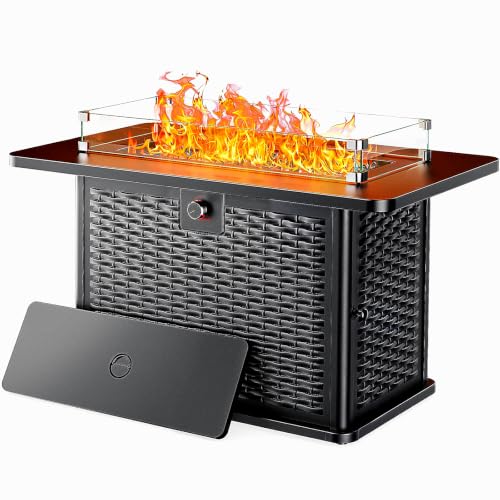
- Propane fire table: avoids ash and smoke and often offers a clear on-off, but needs approved gas connections, clearances for gas appliances and in many cases a qualified installer.
- Chimney-style patio heaters or a portable pit: useful if you want warmth rather than a flame to gather around.
Care Notes
- Empty cold ashes after each use, since wet ash is corrosive and holds moisture against the metal.
- Cover the pit between uses and keep it off wet grass, which can both stain and rust a steel base.
- Do not quench a very hot stainless pit with cold water, because rapid temperature change can warp the metal. Let it burn down and cool.
- Check bolts, stands and mesh lids before each season.
Frequently Asked Questions
Can I get a smokeless fire pit under $150?
Possibly in a small size, such as a tabletop model, but the full-size smokeless pits from the best-known brands are generally listed above that cap. A basic pit costs less but burns with more smoke, so expect a trade-off.
How far should a fire pit be from the house?
The maker’s figure comes first. One maker lists at least 10 ft from structures for a wood-burning pit, and general guidance for wood pits is often around 10 ft, with overhead clearance recommended even higher. Local rules may be stricter.
Can I use a fire pit on a wooden deck?
Only if the maker explicitly says it is rated for that and you use a proper heat-shielding pad, which many do not allow. Concrete, stone or brick is the safer surface. A pit on a combustible deck is a common source of accidental fires, so read the manual.
Is smokeless really smokeless?
Not entirely. The designs reduce visible smoke once the fire is established and the airflow is working, but start-up and wet wood still produce smoke. Seasoned hardwood helps the most.
What wood should I burn?
Dry, seasoned hardwood is the standard recommendation. Avoid treated, painted or pressure-treated lumber, and avoid burning trash, which can release harmful fumes.
Do I need a permit or cover?
Local rules vary, and some areas ban open burning during dry periods or require permits. Check with your municipality or fire department before use. A fitted cover or lid also helps protect the pit from rain and prolongs its life.

